
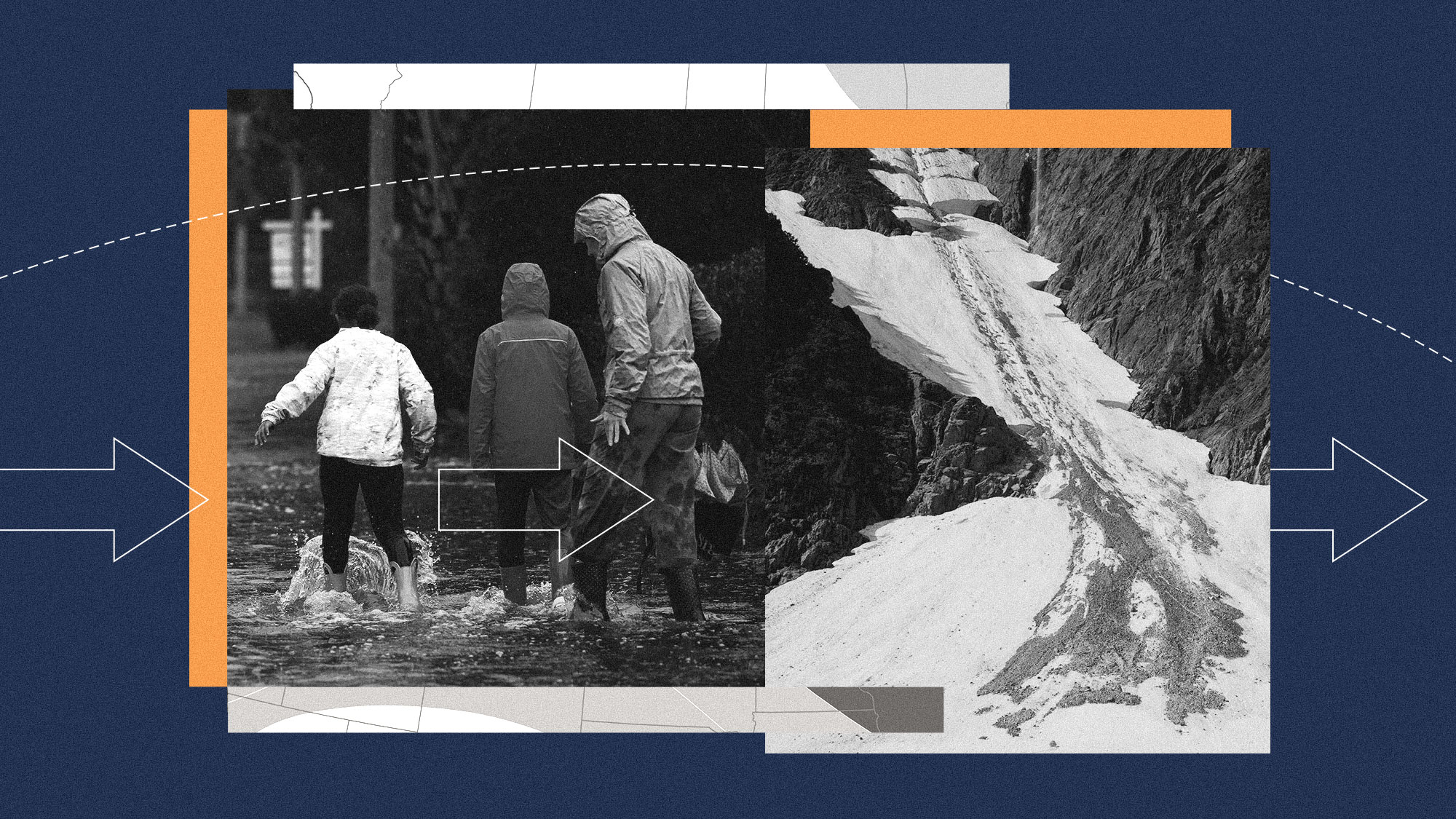
El Niño is a natural phenomenon in which a band of warm water forms off the coast of South America, raising ocean water temperatures and injecting energy into the sky, affecting the Pacific, South America, Amazon rainforest, Greater Horn of Africa, and eastern and central United States.
This recurring climate driver disrupts ecosystems and economies globally, typically lasting 9 to 12 months, and repeats every 3 to 5 years, triggering severe drought across the Amazon rainforest while unleashing torrential rainfall and floods across the Greater Horn of Africa, affecting over 450,000 people worldwide.
El Niño is a natural phenomenon that occurs every 3 to 5 years, causing significant changes to global weather patterns. The Pacific anomaly typically lasts 9 to 12 months, triggering severe drought across the Amazon rainforest while unleashing torrential rainfall and floods across the Greater Horn of Africa. The cycle repeats every 3 to 5 years, returning to alter marine and atmospheric conditions. Scientists note that even slight temperature increases carry profound consequences for global meteorological systems, with the ocean having 1,000 times more ability to hold heat than the atmosphere.
Ocean Heat Dynamics
The ocean has a lot of heat content — 1,000 times more ability to hold heat than the atmosphere — so slight changes in the ocean surface temperatures can actually do a lot for the atmosphere. Researchers across the eastern and central United States are monitoring the system as ocean temperatures climb by a few extra degrees, reshaping jet streams and shifting storm tracks thousands of miles away from the equator. This localized heating affects the Pacific, South America, and the Greater Horn of Africa, with significant impacts on the environment and human populations.
For example, in the Amazon rainforest, drought is gripping the region, while in the Greater Horn of Africa, extreme rainfall is causing floods and landslides. The eastern and central United States are also affected, with changes in weather patterns and increased risk of natural disasters. The numbers are staggering, with scientists estimating that additional heat from El Niño could kill around 450,000 people worldwide over the next 2 decades, with 1,000 times more heat content in the ocean than in the atmosphere.
Global Mortality Risks
Public health models linked to the climate cycle over the past 2 decades indicate severe vulnerability, with malnutrition, heat stress, and waterborne disease outbreaks being major concerns. Scientists have estimated that the additional heat from El Niño could cause significant mortality risks, with 450,000 people affected worldwide. Emergency planners across South America are stocking supplies ahead of projected flooding, while agricultural ministries in vulnerable regions are issuing advisories to farmers as the warm water band expands northward, affecting the Pacific, South America, and the Greater Horn of Africa.
Meteorologists continue tracking surface temperatures across the Pacific basin to refine predictive models, with 9 to 12 months of data indicating significant changes to global weather patterns. Communities worldwide brace for the remaining months of the cycle as climate anomalies challenge regional infrastructure, with 3 to 5 years of repeated cycles causing significant disruptions to ecosystems and economies. The numbers are clear, with 1,000 times more heat content in the ocean, 450,000 people affected, and 2 decades of data indicating severe vulnerability.
In conclusion, El Niño is a significant climate driver that affects global weather patterns, causing drought, floods, and heat-related illnesses, with 450,000 people affected worldwide, and 1,000 times more heat content in the ocean than in the atmosphere, making it essential to monitor and prepare for its impacts, especially in vulnerable regions such as the Amazon rainforest, the Greater Horn of Africa, and the eastern and central United States.